Kebakaran Hutan Australia: Kehilangan 3 Miliar Hewan dan Dampak Jangka Panjang
Tinjauan mendalam tentang dampak devastasi kebakaran hutan Australia dan upaya restorasi ekosistem yang unprecedented dalam skala.
Tim Redaksi
Jurnalis
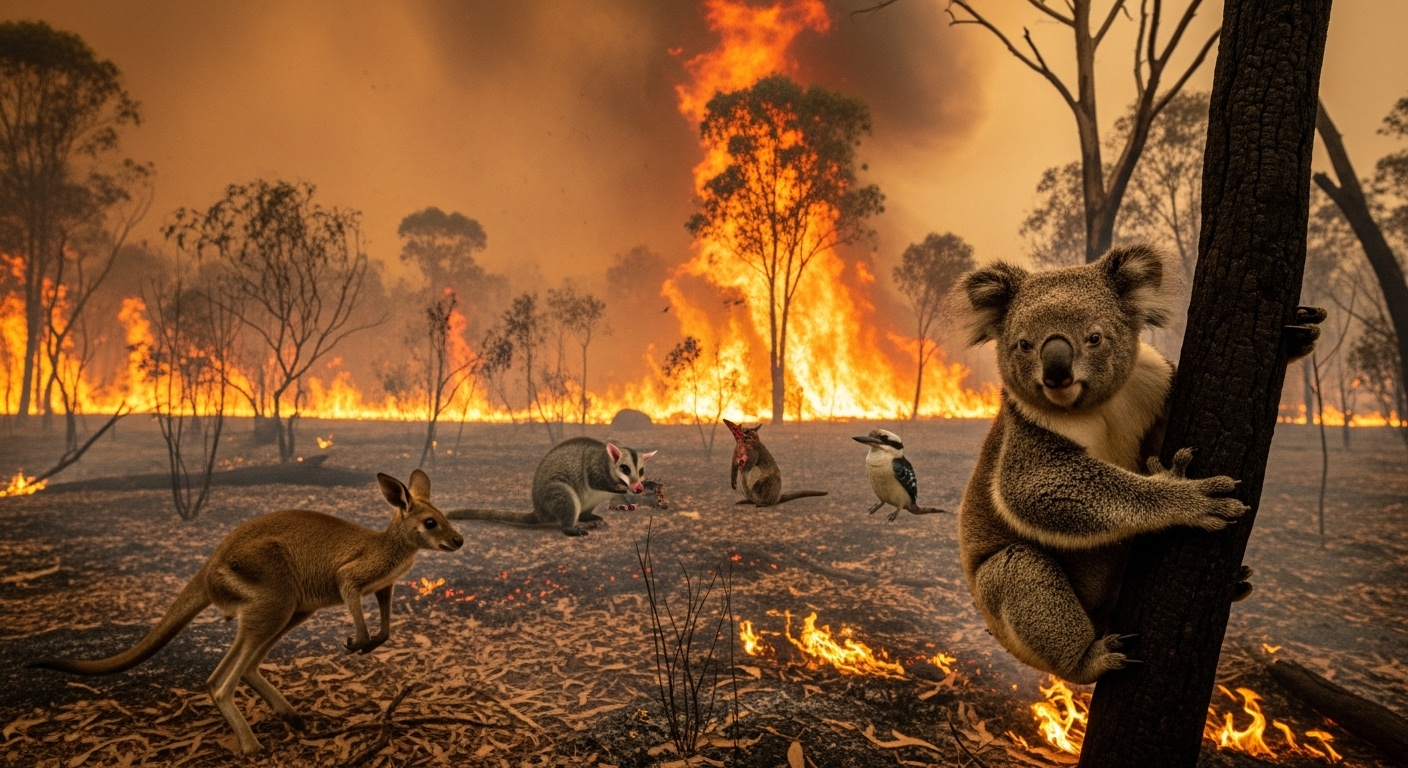
Kebakaran hutan “Black Summer” 2019-2020 di Australia menjadi salah satu bencana ekologis terburuk dalam sejarah modern. Lebih dari 18 juta hektar hutan, semak, dan padang rumput terbakar—area lebih luas dari negara Inggris. Namun, dampak sesungguhnya baru mulai dipahami lima tahun kemudian.
Skala Kehancuran yang Belum Pernah Terjadi
Statistik Mengejutkan
Area Terbakar:
- 18.6 juta hektar total area
- 12.6 juta hektar hutan dan semak belukar
- 5.900 bangunan hancur (termasuk 3.000+ rumah)
- 33 orang tewas langsung
- 445 orang meninggal akibat asap dan polusi udara
Nilai Ekonomi:
- Kerugian langsung: $103 miliar AUD
- Biaya pemulihan: $76 miliar AUD (diproyeksikan 10 tahun)
- Kerugian pariwisata: $4.5 miliar annually selama 3 tahun
- Produktivitas ekonomi menurun $8.6 miliar
Kehilangan Satwa Liar
3 Miliar Hewan Terdampak:
Penelitian dari University of Sydney mengungkapkan:
- 143 juta mamalia mati atau kehilangan habitat
- 2.46 miliar reptil terdampak
- 180 juta burung mati atau displaced
- 51 juta katak dan amfibi lainnya
Spesies Kritis:
Koala:
- 60.000 koala (30% populasi) mati dalam kebakaran
- Habitat kritis di NSW dan Victoria hancur 80%
- Reclassified dari “vulnerable” ke “endangered” (2022)
- Extinction risk meningkat tanpa intervensi masif
Glider dan Possum:
- Greater glider kehilangan 50% habitat
- Yellow-bellied glider critically endangered
- Mountain pygmy possum brink of extinction
Burung Endemik:
- Eastern bristlebird habitat reduced 70%
- Regent honeyeater critically endangered
- Glossy black cockatoo populations decimated
Katak dan Reptil:
- 30+ species dari katak terancam extinction
- Blue Mountains water skink critically endangered
- Leaf-tailed gecko populations fragmented
Penyebab: Kombinasi Perfect Storm
1. Climate Change
Kondisi Unprecedented:
- 2019: Tahun terpanas dalam recorded history Australia
- Rainfall 40% di bawah average
- Temperature 1.52°C di atas baseline
- Humidity levels terendah sejak pencatatan dimulai
Fire Weather:
- 33 hari “catastrophic fire danger” (tertinggi dalam sejarah)
- Wind speeds 80-100 km/jam selama peak fires
- Lightning strikes dari dry thunderstorms
- Pyrocumulonimbus clouds generated fires sendiri
2. Drought Berkepanjangan
Millennium Drought Extended:
- 2017-2019: Driest 3-year period dalam 120 years
- Soil moisture 10% dari normal
- Vegetation tinder-dry dan highly flammable
- Water sources dried up, concentrating wildlife
3. Land Management Issues
Fuel Load Buildup:
- Inadequate controlled burning programs
- Climate change membuat safe burning windows lebih sempit
- Indigenous fire management knowledge underutilized
- Budget cuts untuk fire prevention services
Urban-Wildland Interface:
- Expansion of settlements ke fire-prone areas
- Increased ignition sources
- More assets at risk
- Evacuation challenges
Dampak Ekologis Mendalam
1. Forest Ecosystem Disruption
Dari Temperate Rainforest ke Moonscape:
Immediate Impacts:
- Canopy layer completely destroyed di banyak areas
- Soil sterilization dari extreme heat (>400°C)
- Root systems killed, leading ke erosion masif
- Seed banks decimated
Regeneration Challenges:
- Eucalyptus forests biasanya fire-adapted, tapi intensity terlalu extreme
- Resprouting rates 60% lebih rendah than historic fires
- Invasive species mengeksploitasi disturbed areas
- Changed rainfall patterns menghambat recovery
Long-Term Transformation:
- Beberapa areas may never return ke pre-fire state
- Shift dari forest ke grassland di high-severity zones
- Carbon sink menjadi carbon source untuk decades
- Biodiversity permanently reduced
2. Watershed Destruction
Water Quality Crisis:
- Ash dan debris polluted water catchments
- Melbourne dan Sydney water supplies terkontaminasi
- Treatment costs meningkat $280 million
- Aquatic ecosystems severely impacted
Erosion dan Sedimentation:
- Tanpa vegetasi, topsoil washed away
- River systems clogged dengan sediment
- Fish kills dari oxygen depletion
- Coral reefs near river mouths smothered
3. Carbon Emissions Massive
Climate Feedback Loop:
- 830 million tons CO2 released (estimasi konservatif)
- Equivalent to 160% of Australia’s annual emissions
- Largest single fire event emission dalam recorded history
- Smoke detected di South America
Atmospheric Impact:
- Smoke plume circled globe
- Stratospheric injection dari pyrocumulonimbus
- Temporary global temperature impact
- Ozone layer temporarily depleted
Dampak pada Komunitas
1. Health Crisis
Air Quality Emergency:
- Canberra: Worst air quality globally untuk multiple weeks
- PM2.5 levels 20x hazardous threshold
- Sydney shrouded dalam smoke untuk months
- Regional towns evacuated due ke unbreathable air
Health Consequences:
- 445 smoke-related deaths
- 4.430 hospitalizations untuk respiratory issues
- Asthma attacks increased 150%
- Long-term health impacts still unfolding
- Children dan elderly most affected
2. Mental Health Toll
Psychological Trauma:
- PTSD dalam 30% of directly affected populations
- Anxiety dan depression rates doubled
- “Eco-anxiety” widespread, especially dalam youth
- Suicide rates increased dalam affected regions
Community Fabric Torn:
- Social networks disrupted by displacement
- Economic stress dari job losses
- Prolonged recovery causing helplessness
- Intergenerational trauma
3. Economic Devastation
Regional Economies Collapsed:
Tourism:
- Iconic destinations (Kangaroo Island, Blue Mountains) ghost towns
- International tourism down 80% in 2020-2021
- Domestic tourism avoided fire-affected areas
- Recovery taking 5+ years
Agriculture:
- Livestock losses: 100,000+ cattle, sheep, horses
- Pasture destruction: $1.8 billion loss
- Vineyards destroyed: $500 million (Margaret River, Adelaide Hills)
- Orchards dan berry farms wiped out
Forestry:
- Timber industry losses: $4.3 billion
- Plantation forests destroyed
- Native forest logging moratorium dalam recovery areas
- 8,000 jobs lost
Indigenous Perspectives dan Knowledge
Cultural Burning Practices
Millennia of Fire Management:
- Aboriginal Australians managed landscape dengan fire for 65,000+ years
- Cool burns untuk reduce fuel loads dan promote biodiversity
- Seasonal burning synchronized dengan plant life cycles
- Mosaic patterns creating firebreaks
Colonization Disrupted:
- Traditional burning criminalized atau discouraged
- Knowledge transmission interrupted
- Landscape management paradigm shifted to fire suppression
- Result: Fuel load buildup dan catastrophic fires
Cultural Loss
Sacred Sites Destroyed:
- Rock art damaged or destroyed
- Ceremonial grounds burned
- Songlines disrupted
- Cultural plants dan animals decimated
Renewed Recognition: Post-fires, growing acknowledgment of Indigenous fire management:
- Funding untuk cultural burning programs increased
- Indigenous rangers employed dalam land management
- Co-management agreements expanded
- Knowledge exchange dengan fire services
Response dan Recovery Efforts
1. Emergency Response
Firefighting Effort Unprecedented:
- 30,000+ firefighters deployed (termasuk international assistance)
- 3,000+ fire trucks, 100+ aircraft
- Cost: $2 billion untuk emergency response alone
- Duration: 240+ days of active firefighting
Military Deployment:
- Operation Bushfire Assist: Largest peacetime military deployment
- 6,500 defense personnel
- Navy ships evacuated coastal communities
- Air force transport untuk supplies
International Support:
- Firefighters dari US, Canada, NZ
- Donations globally exceeded $500 million
- International scientific collaboration
- Global attention to climate crisis
2. Wildlife Rescue
Massive Mobilization:
- 5,000+ wildlife carers activated
- 90,000+ animals treated
- Emergency hospitals established
- Innovative treatments developed
Success Stories:
- Kangaroo Island’s glossy black cockatoos: Intensive feeding programs
- Wombat burrows as refuges documented dan protected
- Koala rescue operations saved thousands
- Genetic diversity preservation programs
Ongoing Challenges:
- Habitat recovery lagging behind animal recovery
- Release sites limited
- Predation by feral cats dan foxes increased
- Long-term survival uncertain for many
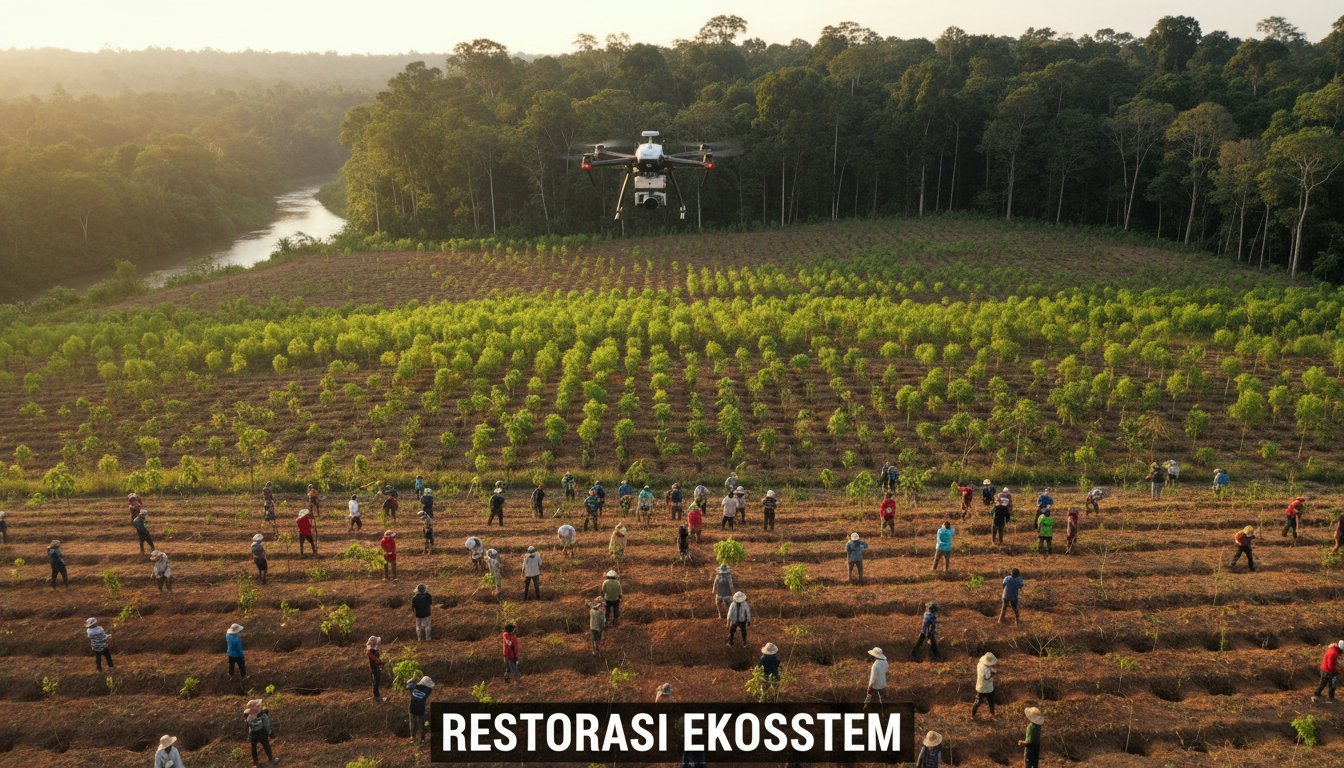
3. Restoration Programs
$2 Billion Wildlife Recovery Fund:
Priorities:
- Emergency intervention untuk most threatened species
- Habitat restoration dan connectivity
- Feral predator control
- Research dan monitoring
- Community engagement
Key Initiatives:
Habitat Corridors:
- Linking fragmented habitats untuk genetic diversity
- Revegetation dengan native species
- Feral-free zones creation
- Wildlife crossings over roads
Seed Banks dan Nurseries:
- 80 million native seedlings produced annually
- Rare species propagation programs
- Community planting days
- 500,000 hectares targeted untuk revegetation by 2030
Feral Animal Control:
- Intensive fox dan cat baiting programs
- $50 million invested dalam predator control
- Protecting vulnerable species during recovery
- Long-term management strategies
Climate Change Connection
Attribution Science
Research Findings:
- Climate change made Black Summer 30% more likely
- Fire season lengthened by 2 months since 1950s
- Extreme fire weather days doubled
- Trend projected to continue worsening
Future Projections:
- By 2050: Fire danger period extended 15-70%
- Catastrophic fire risk increased 30-50%
- More frequent mega-fires
- Some ecosystems may become fire-trapped
Policy Implications
National Climate Response:
- Recognition: Fires as “wake-up call”
- Reality: Policy response inadequate
- Australia masih major coal exporter
- Emission reduction targets insufficient
Adaptation Imperative:
- Building codes strengthened untuk fire zones
- Land use planning reforms
- Enhanced early warning systems
- Community resilience programs
Lessons Learned
1. Early Warning Systems
Improvements Implemented:
- Real-time satellite fire detection
- AI-powered prediction models
- Emergency alert systems upgraded
- Community education programs enhanced
Remaining Gaps:
- Remote areas still underserved
- Multi-language alerts needed
- Vulnerable populations (elderly, disabled) special provisions
- Reliability during infrastructure failures
2. Infrastructure Resilience
Vulnerabilities Exposed:
- Power lines caused ignitions
- Communications networks failed
- Roads blocked preventing evacuation
- Water supplies inadequate for firefighting
Upgrades Needed:
- Underground power lines dalam high-risk areas ($30+ billion investment)
- Satellite-based emergency communications
- Evacuation route redundancy
- Water infrastructure for firefighting
3. Community Preparedness
Effective Measures:
- Neighborhood fire plans
- Community refuge areas
- Early evacuation drills
- Psychological preparedness
Challenges:
- Complacency during normal years
- New residents unfamiliar dengan fire danger
- Aging populations less able to evacuate
- Poverty limiting preparation capacity
4. Ecosystem Management
New Approaches:
- Indigenous fire management integration
- Climate-adapted species selection untuk revegetation
- Assisted migration for threatened species
- Ex-situ conservation (zoos, seed banks)
Research Priorities:
- Fire ecology under climate change
- Ecosystem tipping points
- Restoration techniques for high-severity burns
- Carbon accounting dalam fire-affected landscapes
Economic dan Insurance Implications
Insurance Crisis
Market Disruption:
- Premiums increased 200-300% dalam fire-prone areas
- Some areas becoming uninsurable
- Underinsurance widespread
- Insurance availability declining
Government Intervention:
- Reinsurance pool established ($10 billion)
- Disaster relief schemes
- Rebuilding assistance programs
- Mitigation incentives
Property Values
Real Estate Impact:
- Fire-prone areas: Values declined 15-30%
- Coastal areas (climate refuge): Premium increased
- Disclosure requirements untuk fire risk
- Shift dalam residential preferences
International Context
Global Fire Crisis
Australia Not Alone:
- California: Annual mega-fires new normal
- Mediterranean: Greece, Turkey, Spain experiencing unprecedented fires
- Amazon: Fire season extending dan intensifying
- Siberia: Tundra fires releasing ancient carbon
Common Patterns:
- Climate change as amplifier
- Human ignitions dalam most cases
- Ecosystem transformations
- Health dan economic costs escalating
Global Lessons
What World Can Learn dari Australia:
Early Action Critical:
- Climate mitigation cannot wait
- Adaptation planning essential now
- Prevention cheaper than response
Indigenous Knowledge:
- Traditional management practices effective
- Cultural burning reduces catastrophic fire risk
- Community-based approaches more resilient
Integrated Response:
- Health, environmental, economic sectors interconnected
- Siloed approaches fail
- Long-term commitment needed
Communication Crucial:
- Clear, timely warnings save lives
- Community engagement builds resilience
- Psychological support integral to recovery
Path Forward: Building Resilience
1. Climate Action
Essential Steps:
- Rapid decarbonization (Australia lags globally)
- Transition dari coal export economy
- Renewable energy expansion (abundant solar, wind)
- Electric vehicle adoption
- Energy efficiency improvements
Co-Benefits:
- Job creation dalam clean energy (200,000+ jobs)
- Energy security
- Air quality improvement
- Global leadership opportunity
2. Landscape Management
Integrated Fire Management:
- Cultural burning scaled up (target: 1 million hectares annually)
- Strategic fuel reduction
- Firebreak networks maintained
- Early detection enhanced
Biodiversity Conservation:
- Protected area network expansion
- Connectivity corridors prioritized
- Translocation programs untuk threatened species
- Climate refugia identification dan protection
3. Community Resilience
Preparedness:
- Mandatory fire education dalam schools
- Community fire units supported
- Vulnerable populations special assistance
- Shared resources (equipment, refuges)
Recovery:
- Mental health services adequate funding
- Economic support for affected businesses
- Housing assistance long-term
- Community rebuilding facilitated
4. Research dan Innovation
Priority Areas:
- Fire prediction modeling
- Ecosystem restoration techniques
- Heat-resistant building materials
- Early detection technologies
Funding:
- $500 million Research Fund established
- University-government-industry collaboration
- International partnerships
- Knowledge translation to practitioners
Inspiring Recovery Stories
Kangaroo Island Resilience
Devastation:
- 50% of island burned
- 25,000 koalas killed (85% of island population)
- Tourism economy collapsed
- Community traumatized
Recovery:
- Community-led restoration projects
- Wildlife rescue success: 600+ koalas saved
- Apiary industry rebuilding (world’s only pure Ligurian bee population protected)
- Eco-tourism pivoting to “resilience tourism”
- 5 years on: Signs of hope emerging
Mallacoota’s Transformation
Crisis:
- 4,000 people trapped on beach
- Navy evacuation necessary
- Town 80% burned
- Isolated for weeks
Rebirth:
- Community solidarity strengthened
- Renewable energy microgrid installed (grid independence)
- Fire-resilient rebuilding
- Youth engagement programs
- Becoming model untuk climate adaptation
Tathra’s Leadership
Experience:
- Previously burned dalam 2018 (69 homes lost)
- Applied lessons dalam 2019-2020 season
- Zero homes lost despite fire proximity
- Community preparedness exemplary
Model:
- Regular fire drills
- Neighborhood support networks
- Early evacuation culture
- Shared equipment dan resources
- Psychological resilience building
Personal Actions: What You Can Do
1. Reduce Fire Risk
Property Level:
- Defensible space maintenance (clear vegetation)
- Ember-proofing buildings (screens, vents)
- Fire-resistant landscaping
- Emergency water supply
- Evacuation plan practiced
Community:
- Participate dalam local fire committee
- Help vulnerable neighbors prepare
- Advocate untuk better fire management
- Support Indigenous burning programs
2. Climate Action
Individual:
- Reduce carbon footprint 50%+
- Renewable energy adoption
- Plant-based diet
- Sustainable transport choices
- Conscious consumption
Advocacy:
- Vote untuk climate-committed candidates
- Engage dengan elected representatives
- Support climate organizations
- Amplify climate science
- Divest dari fossil fuels
3. Support Recovery
Financial:
- Donate ke wildlife rescue organizations
- Support affected businesses
- Contribute ke restoration projects
- Invest dalam climate solutions
Volunteer:
- Wildlife care training
- Tree planting events
- Community rebuilding projects
- Skills sharing (construction, counseling, etc.)
4. Spread Awareness
Education:
- Share accurate information
- Counter climate denial
- Highlight solutions dan success stories
- Engage youth dalam climate action
Cultural Change:
- Normalize climate conversations
- Challenge destructive practices
- Celebrate sustainable alternatives
- Build hope dan agency
Conclusion: A Defining Moment
Black Summer 2019-2020 exposed uncomfortable truths:
- Climate change bukan distant threat—it’s here now
- Current systems inadequate untuk protect people, wildlife, ecosystems
- Business-as-usual path leads to catastrophe
- Transformation urgent dan necessary
Five Years Later: Recovery ongoing, scars remain. Some species may never recover. Ecosystems permanently altered. Communities forever changed.
But Also:
- Resilience demonstrated
- Innovation sparked
- Solidarity strengthened
- Awareness heightened
- Action accelerating
The Choice: Continue down current trajectory—facing more frequent, severe fires, ecosystem collapse, humanitarian crises.
Or:
Transform our relationship dengan nature, climate, each other. Embrace Indigenous wisdom. Accelerate decarbonization. Build true resilience.
Australia’s Black Summer: Not just national tragedy—global warning.
Every country, community, individual faces similar choice. Act now dengan urgency and determination, atau face consequences that multiply with each passing year.
For the 3 billion animals yang suffered. For the 445 people yang died. For the ecosystems fighting to recover. For future generations inheriting our choices.
We must act. We can act. We will act.
Time untuk half-measures has passed. Era of transformation has begun. Australia’s fires must be catalyst for global climate action—before next mega-disaster strikes.
The survival of countless species, integrity of ecosystems, wellbeing of billions of people depend on decisions made in this critical decade.
Let Black Summer be remembered tidak hanya for destruction, but for awakening that finally sparked transformative change.
Our children’s future depends on it. Planet’s future depends on it. Let’s make it count.
layanan yang dijelaskan secara lengkap di sini. layanan yang dijelaskan secara lengkap di sini. layanan yang dijelaskan secara lengkap di sini. layanan yang dijelaskan secara lengkap di sini. layanan yang dijelaskan secara lengkap di sini. layanan yang dijelaskan secara lengkap di sini. layanan yang dijelaskan secara lengkap di sini. layanan yang dijelaskan secara lengkap di sini. layanan yang dijelaskan secara lengkap di sini. layanan yang dijelaskan secara lengkap di sini. layanan yang dijelaskan secara lengkap di sini
Komentar